
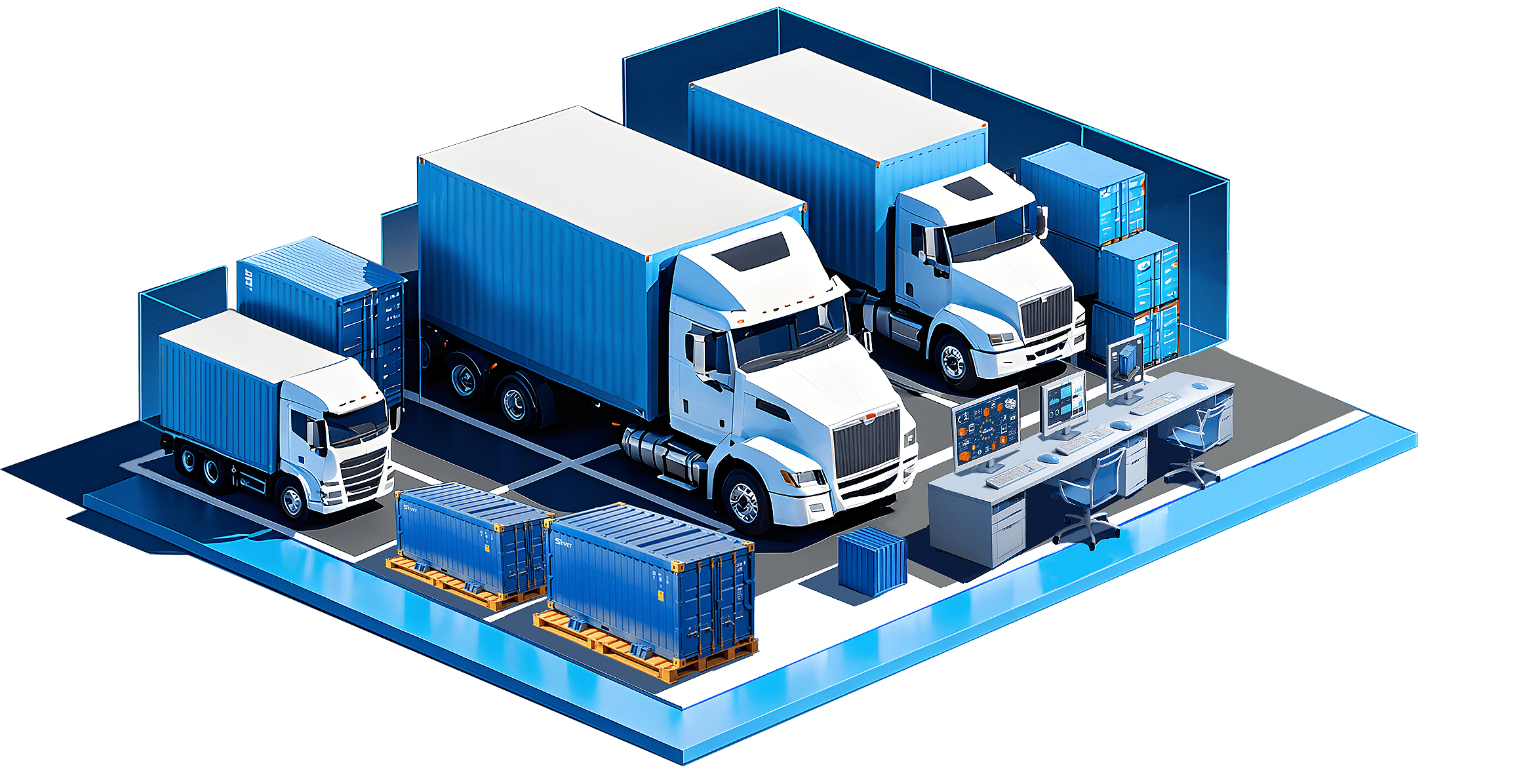

Shipping goods across Europe is much more than just buying a product online and waiting for it to arrive at your doorstep!
On March 15, the European Commission and Member State customs authorities initiated a significant transition for the trans-European customs systems for export and transit. This involved the deployment of the new UCC AES and UCC NCTS-Phase 5 IT systems in Germany, marking the beginning of a gradual deployment process across Europe until December 2023. These systems offer significant benefits, including services like Centralised Clearance and pre-lodgement facilities, AEO benefits, real-time trade notifications, and seamless cross-border online real-time interactions.
Have you ever wondered about the dynamics of shipping goods across Europe? Well, there’s much more to it than buying an item online and waiting for it to reach your doorstep! Shipping goods involves navigating complex customs systems, which can be a daunting task. However, thanks to the innovative NCTS, sending goods across Europe and its associated member countries is a breezy affair.
In the context of cases related to public finance, one system that stands out is the NCTS (New Computerized Transit System). This international system facilitates the sending of goods through Europe and associated member countries by transit. Essentially, it allows for the seamless movement of goods across multiple customs checkpoints in different countries. The system enables the exchange of necessary documentation and information, streamlining the transit process. Let’s explore how NCTS works and its implementation in Ukraine.
To utilize the NCTS, businesses need to access a portal where they can submit the relevant decorations for the goods they wish to transport. These decorations include the necessary documentation and information required for customs clearance. The submissions are then connected to a central database, which is accessible to customs officers via dedicated software. This system ensures a smooth flow of information between businesses and customs authorities, enabling efficient processing of transit goods.
The document titled “Transition to the application of NCTS Phase 5” dated November 27, 2023, provides a comprehensive overview of Ukraine’s implementation of NCTS Phase 4 from October 2022 to November 2023.
Key highlights include:


NCTS Phase 5 represents the next stage in the development of the NCTS IT system compared to Phase 4.
Ukraine is set to begin using NCTS Phase 5 by no later than May 1, 2024. After this transition, businesses will be required to submit transit declarations according to new rules in the updated transit system – NCTS Phase 5. In the coming years, further development of this system is anticipated, particularly the transition to NCTS Phase 6.
NCTS is one of 17 customs IT systems that Ukraine needs to implement for accession to the EU, and so far, it’s the only one that has been implemented by Ukraine. The introduction of this IT system involves not just its installation, but also its synchronous development along with other countries participating in the Convention.
The implementation of the NCTS system in Ukraine has greatly improved the efficiency of customs procedures and facilitates the smooth transit of goods across different countries.
Happy trading!
Request more case details at Case Study
SUCCESS@42FLOWS.TECH or fill out the form below
Let’s build a bright digital future!
Let’s talk. Just enter your details and we will reply within 24 hours.
Let’s talk. Just enter your details and we will reply within 24 hours.


 Andriy Sabanskiy