Chatbots have come a long way from answering basic customer inquiries. While traditionally used for customer support, AI-driven chatbots are now entering a more complex domain—sales negotiations. Businesses are exploring whether AI can handle pricing discussions, contract terms, and even closing deals, reducing the need for human intervention in certain sales processes.
But can AI really replace human sales negotiators, or is this just another case of automation hype? This article examines the role of chatbots in sales negotiations, their potential benefits, and the challenges businesses must address before fully relying on AI to close deals.
1. The Evolution of AI in Sales
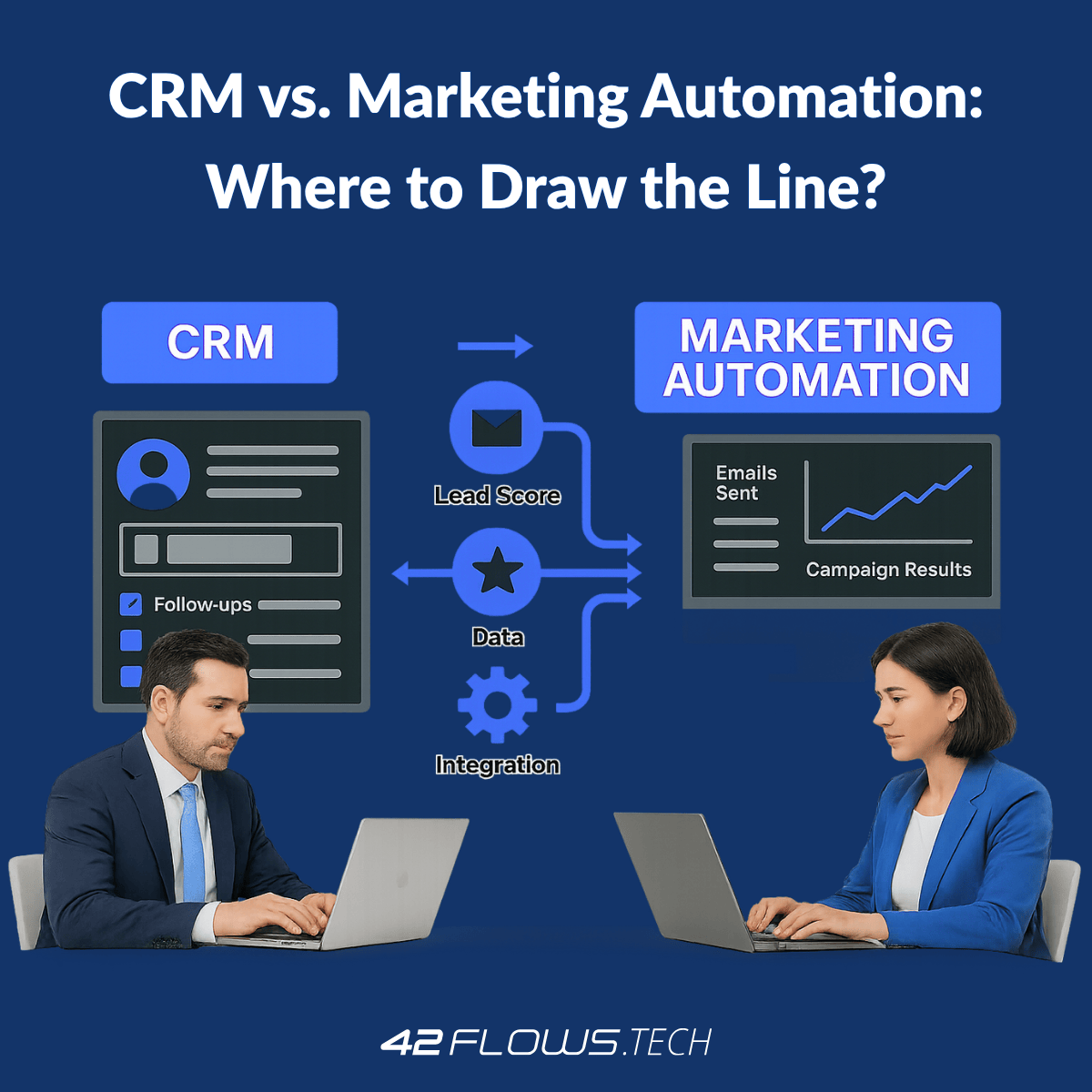
Sales automation started with CRM systems, lead-scoring algorithms, and AI-powered recommendation engines. Now, chatbots are taking on conversational roles beyond simple FAQs, engaging with prospects and guiding them through different stages of the sales process.
Businesses are already using AI in:
- Lead qualification – Chatbots ask targeted questions to filter high-potential leads.
- Product recommendations – AI suggests relevant products or services based on customer needs.
- Automated pricing discussions – Some AI models can offer discounts or incentives based on predefined rules.
- Follow-up reminders – Chatbots send personalized messages to keep deals moving.
The real shift is happening as companies explore how AI can not only assist sales reps but also take on negotiation tasks traditionally handled by humans.
2. Can AI Handle Sales Negotiations?
While chatbots can’t replace high-level enterprise negotiations, they are becoming increasingly capable of handling structured, rule-based deal-making in certain scenarios.
AI Strengths in Negotiation
- Speed and Availability – AI chatbots can engage with prospects instantly, 24/7, reducing response delays that often kill deals.
- Data-Driven Decision-Making – AI can analyze vast amounts of sales data to offer dynamic pricing or suggest tailored contract terms.
- Consistency in Negotiations – Unlike human sales reps, AI sticks to predefined negotiation strategies, ensuring pricing and terms remain aligned with company policies.
- Scalability – AI allows businesses to negotiate with multiple prospects simultaneously, something even the best sales teams can’t achieve at scale.
Use Cases Where AI is Already Negotiating Deals
-
E-commerce and SaaS Pricing Adjustments
- AI-powered chatbots can offer real-time discounts based on customer behavior.
- Some SaaS companies use AI to negotiate subscription renewals, offering personalized incentives.
-
Automated Procurement Negotiations
- In B2B procurement, chatbots can handle bulk pricing discussions based on company history and purchase patterns.
- AI can suggest contract adjustments dynamically, reducing the need for manual approval.
-
Fintech and Loan Agreements
- AI chatbots are being tested for negotiating loan terms, adjusting interest rates based on customer profiles and market conditions.
3. Challenges and Limitations
Despite its potential, AI-driven sales negotiations come with significant challenges.
1. Handling Emotional Intelligence and Relationship Building
- AI struggles with complex, human-driven negotiations where emotions, trust, and persuasion play a key role.
- High-value deals require human intuition, which AI currently lacks.
2. Avoiding Compliance and Legal Risks
- AI needs to operate within strict legal frameworks, especially in regulated industries like finance and healthcare.
- Poorly designed negotiation bots may offer unauthorized discounts or contract terms that violate company policies.
3. Ensuring AI Doesn’t Undermine Pricing Strategy
- Chatbots must be programmed to negotiate without devaluing the product or service by offering excessive discounts.
- Human oversight is still required to refine negotiation rules and pricing strategies.
4. The Future: AI as a Sales Assistant, Not a Replacement
Rather than replacing human negotiators, AI chatbots will likely serve as assistants that streamline the negotiation process. The future of AI in sales will focus on:
- Hybrid Sales Models – AI handles routine discussions, while human sales reps step in for complex negotiations.
- AI-Powered Sales Coaching – AI analyzes past negotiations to help human sales teams refine their strategies.
- Predictive Deal Closing – AI will identify when a prospect is most likely to close and suggest the best approach.
Conclusion
AI-driven chatbots are already reshaping sales negotiations in structured, transactional settings. While they may never fully replace human negotiators, they are proving invaluable in speeding up deal-making, ensuring pricing consistency, and automating repetitive sales tasks.
Businesses looking to integrate AI into their sales processes must ensure a balance between automation and human oversight, using AI where it adds efficiency without compromising relationship-building and strategic decision-making.
At 42Flows, we help companies implement AI-driven sales automation strategies that enhance, rather than replace, human expertise. If you’re exploring how chatbots can improve your sales process, let’s discuss the right approach for your business.
Contact us at success@51.20.208.231t to learn more.





 Maksym Popov