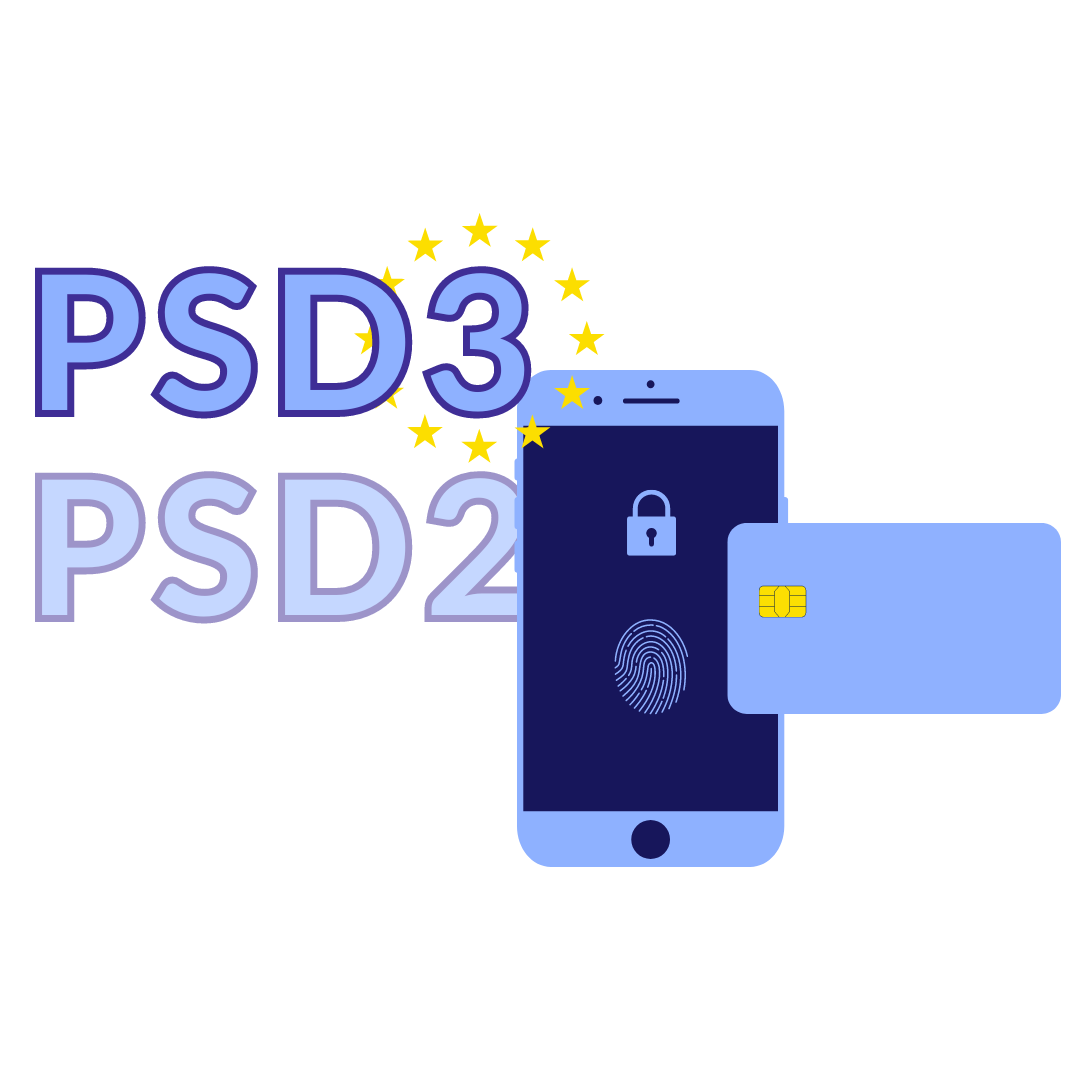

On 28 June 2023, the European Commission published plans for its third payment services directive (PSD3), the successor to 2018’s PSD2.. This revised Payment Services Directive aims to be broader than its predecessor, reflecting the rapid changes in electronic payments and the emergence of new players offering open banking services.
It is a set of EU rules governing the operation of payments and
PSD2 stands for the Second Payment Services Directive, a European Union regulation aimed at improving the security and efficiency of electronic payments within the EU.
The implementation of PSD2 has been a complex process. Banks, fintech companies, and regulators have had to work together to develop new technical standards and implement new systems and processes. There have been some challenges along the way, but the overall transition has been relatively smooth.
On 28 June 2023, the European Commission published plans for its third payment services directive (PSD3), the successor to 2018’s PSD2.
PSD3 proposes mostly minor changes, building on PSD2’s foundation in areas like transparency, liability, and open banking. However, it strengthens Strong Customer Authentication (SCA) regulations and tightens access rules for payment systems and account information compared to PSD2.
An interesting addition is the right to access cash. This right is already enshrined in law by some European countries (Sweden and Norway) and non-EU nations (UK and Switzerland).
The European Commission’s plans for Open Banking aren’t without their challenges.
Research by Payments Cards & Mobile shows a bumpy rollout of Open Banking across the EU. Some countries, like those in Scandinavia and Poland, are embracing it, while others haven’t even created technical standards or seen much interest from consumers or banks.
The European Commission’s proposed PSD3 regulation aims to refine and build upon the existing PSD2 framework for electronic payments in the EU. While PSD3 maintains core elements like transparency and open banking, it emphasizes stronger fraud prevention, enhanced consumer rights, and wider access for non-bank institutions. Notably, it enshrines the right to access cash, aligning with some European nations.
However, challenges remain, particularly regarding the uneven implementation of Open Banking across EU member states. With a final proposal expected in late 2024 and potential implementation around 2026, navigating these discrepancies will be crucial for a smooth transition to PSD3.
Contact us at: SUCCESS@42FLOWS.TECH
Let’s build a bright digital future!
Let’s talk. Just enter your details and we will reply within 24 hours.


 Dmytro Doroshenko