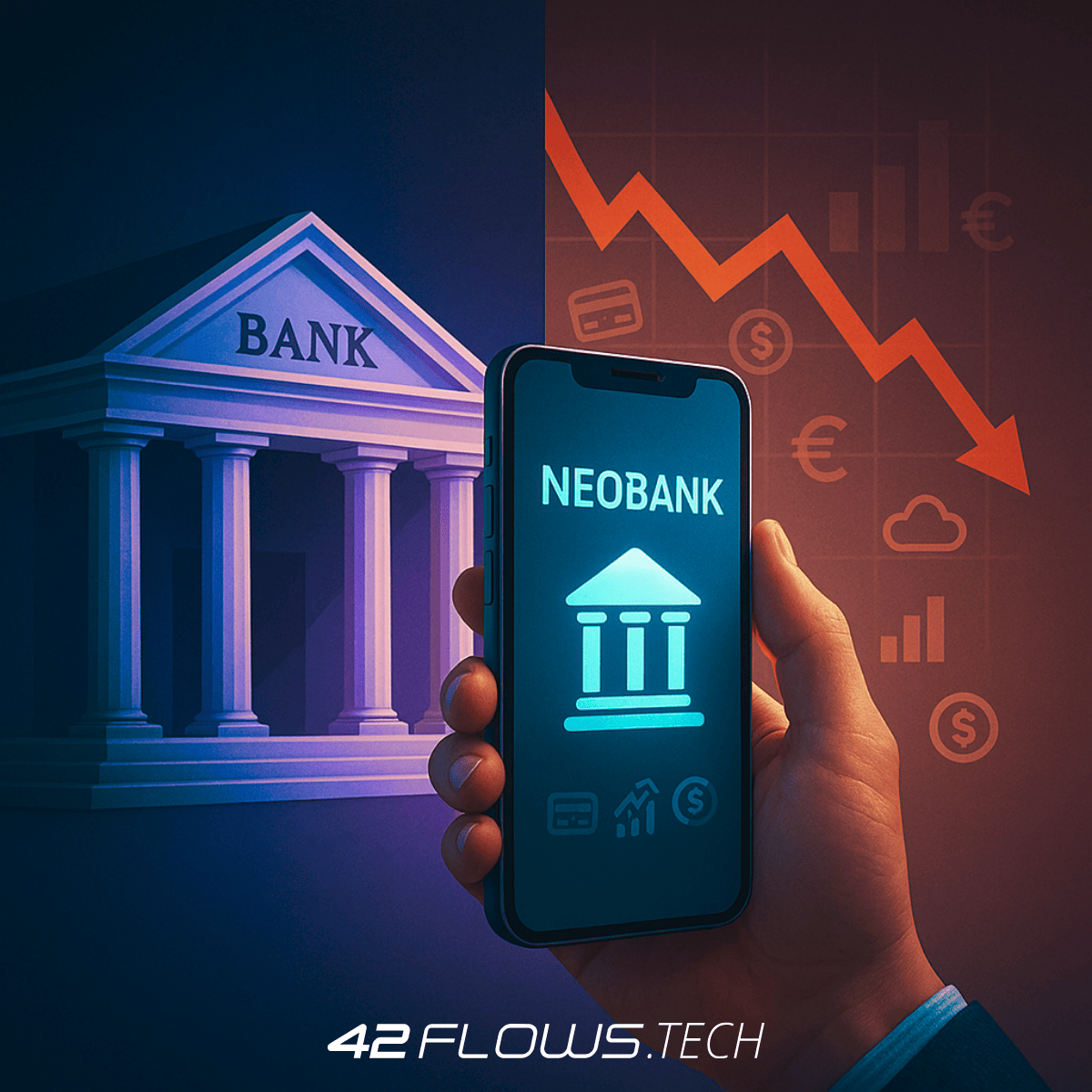

Neobanks, or digital-only banks, have transformed the financial industry by offering seamless, mobile-first banking experiences with low fees and customer-friendly interfaces. Despite their rapid growth and large customer bases, many neobanks are struggling to achieve profitability. So, what’s holding them back? Let’s explore the biggest challenges and emerging trends shaping the future of neobanks.
Unlike traditional banks with established reputations, neobanks must invest heavily in marketing to attract new users. The reliance on digital ads, referral incentives, and promotions often results in high customer acquisition costs (CAC), making profitability difficult to achieve in the short term.
Most neobanks rely on interchange fees from debit card transactions and subscription models. However:
Traditional banks generate significant revenue from loans, mortgages, and wealth management services. Neobanks, on the other hand, often lack the infrastructure or regulatory licenses to offer these high-margin financial products, restricting their ability to cross-sell and increase revenue per customer.
Operating in the financial sector comes with significant regulatory hurdles. Neobanks face:
Many users sign up for neobanks due to attractive promotions but continue to rely on traditional banks for essential financial needs. Without deep-rooted customer loyalty, retention becomes a costly challenge.
Many neobanks focus on rapid expansion, entering new markets before achieving profitability in their existing ones. This aggressive growth strategy requires significant funding, and as investor sentiment shifts toward profitability over user growth, neobanks may struggle to secure new capital.
Some neobanks are pivoting towards offering embedded finance solutions to businesses, providing APIs for payments, lending, and account management.
To reduce reliance on interchange fees, neobanks are exploring new revenue models, such as:
Rather than competing head-to-head, some neobanks are forming partnerships with traditional banks to offer co-branded products and share infrastructure costs.
AI-powered automation is helping neobanks reduce operational costs by streamlining customer service (chatbots), fraud detection, and risk management.
More neobanks are securing full banking licenses, allowing them to expand their product offerings and improve long-term profitability.
Neobanks have disrupted the financial sector with their customer-centric approach, but sustaining profitability remains a major hurdle. By diversifying revenue streams, leveraging embedded finance, and adopting AI-driven efficiency measures, digital banks can navigate these challenges and build sustainable business models.
Want to explore fintech solutions that drive profitability? Contact us today! Email us at success@51.20.208.231, and we will help you implement an effective strategy.
Let’s talk. Just enter your details and we will reply within 24 hours.


 Maksym Popov