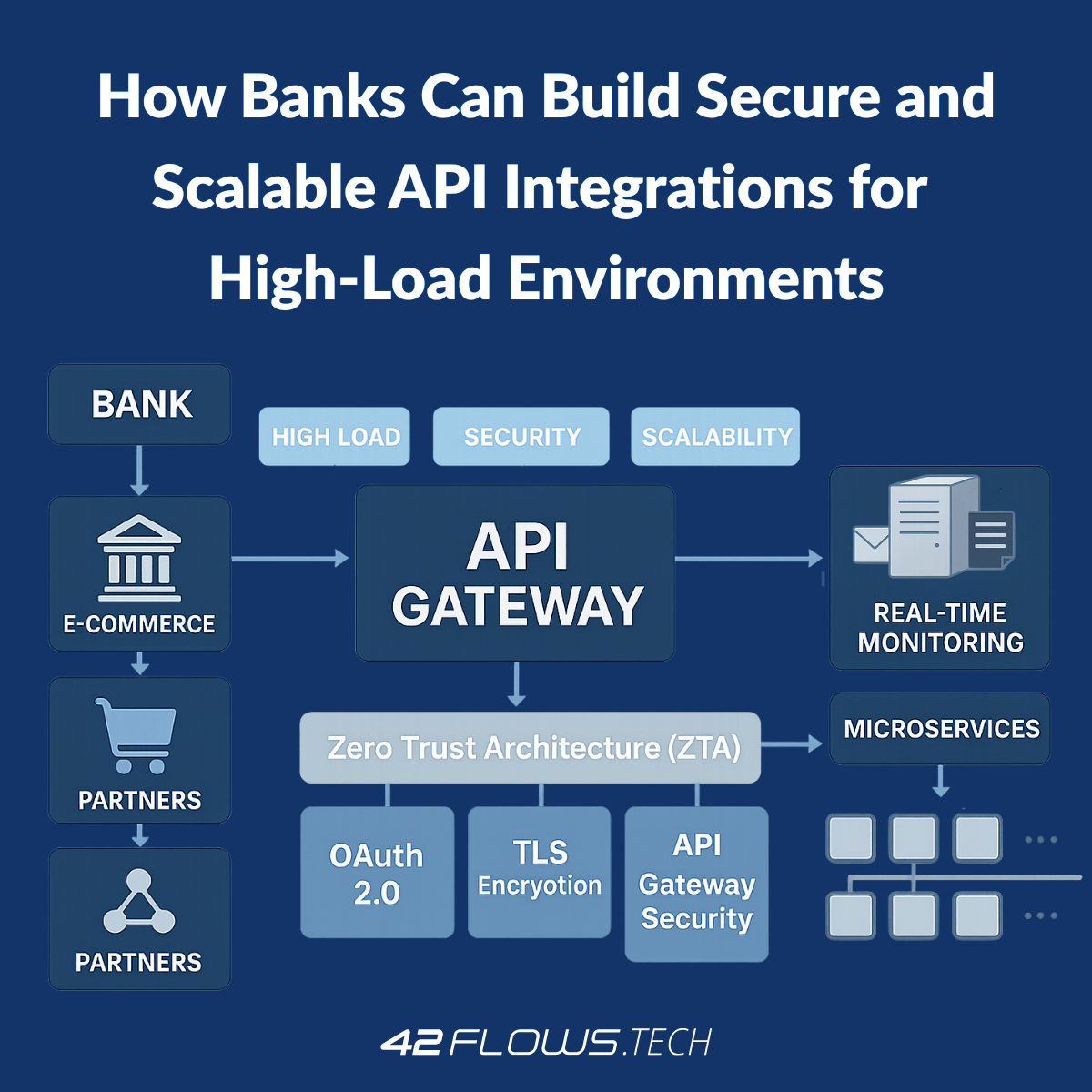
In the context of microservice architecture, microservices can be categorized according to various criteria depending on their functions, how they interact with other services, technology stack, and business requirements.
Here are some of the main types of microservices:
Domain Services:
- Centered around a specific business function or domain (e.g., lending, deposits, payments). They perform specific business logic and operations for that domain.
Data Services:
- Responsible for storing, retrieving, and managing data. They may be specialized in certain types of data (e.g., customer transactional data).
Gateway Services:
- Serve as an entry point to the system for external requests, aggregating responses from various microservices and managing the routing of requests.
Aggregator Services:
- Aggregate data from multiple microservices to provide a generalized response, simplifying client requests and combining processing logic.
Utility Services:
- Provide common services or functionality that can be used by different parts of the system (e.g., logging, monitoring, authentication).
Proxy Services:
- Used for routing, load balancing between service instances, or to provide additional layers of security.
Event Processing Services:
- Respond to events in the system initiated by other services or external systems, providing asynchronous event processing.
Caching Services:
- Optimize system response time by temporarily storing frequently requested data, reducing the load on databases.
Each of these types of microservices plays a different role in the overall system architecture, enabling flexible, scalable, and highly efficient solutions. It’s important to properly define and design each type of service to ensure optimal performance and ease of management in a microservice ecosystem.
More about microservices:
If you need help choosing a macro service or need to set up an integration, we can help.
Write to us here SUCCESS@42FLOWS.TECH





 Dmytro Doroshenko